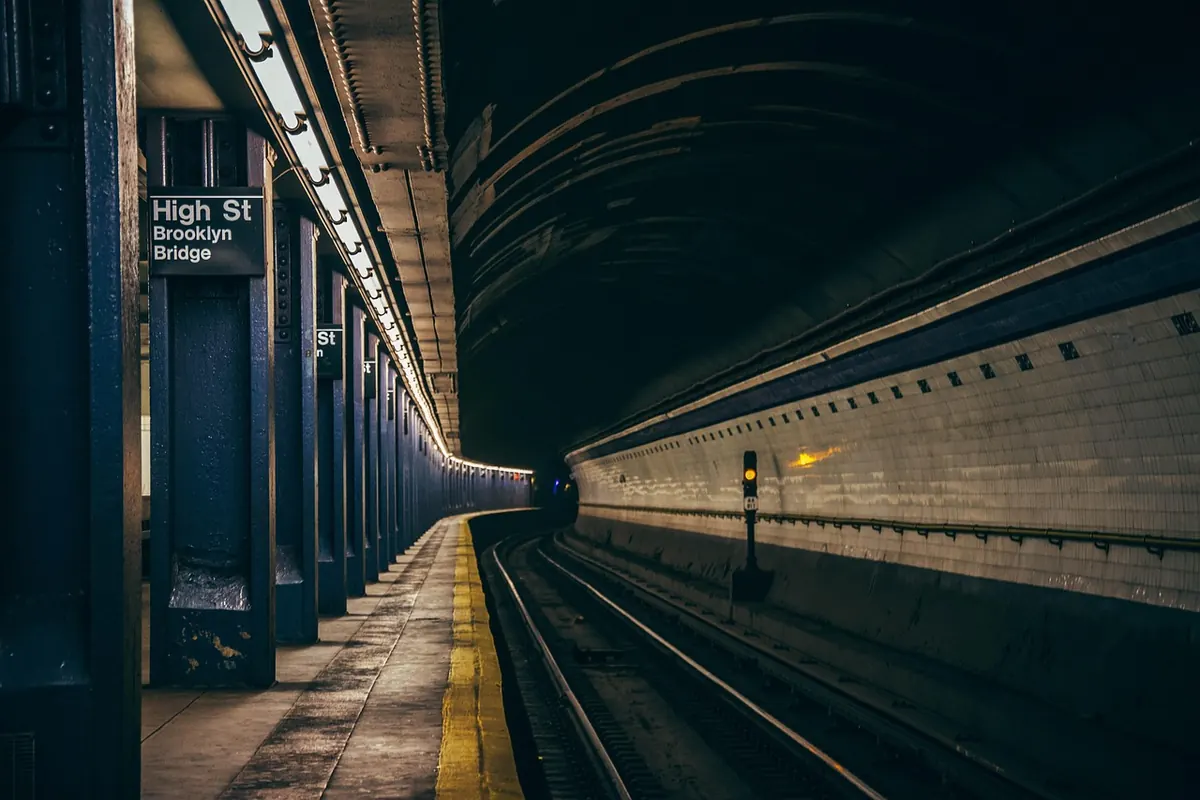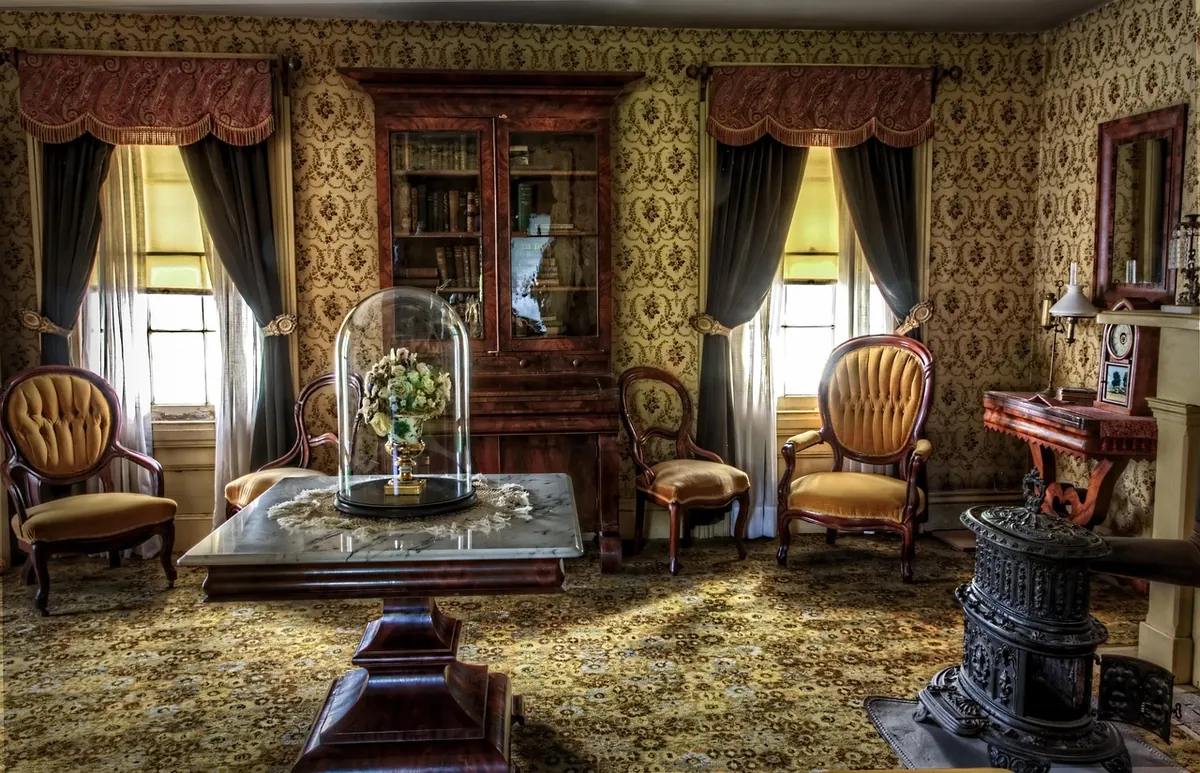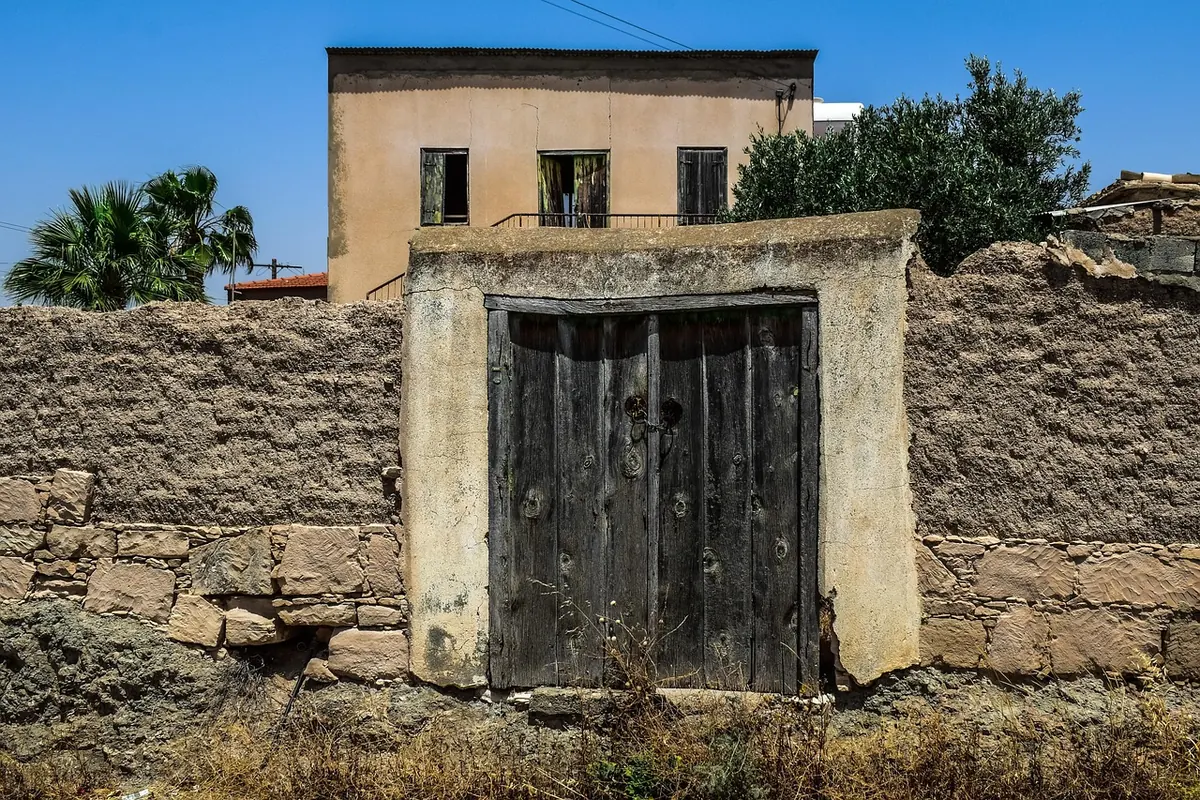
A boarded-up chapel. A mill with its windows gone and brambles through the doorway. A seaside hotel that closed in 1998 and has been quietly rotting ever since. The pull is easy to understand — these places are quiet, strange and often genuinely beautiful. But the gap between a good afternoon out and a summons, a broken ankle or a criminal record is usually one decision made in a car park.
Nothing below is designed to put you off. It is the boring, practical stuff that keeps you out of trouble, keeps a building standing for the next person, and keeps access open for everyone who comes after you.
Start with the law, not the location
In England, Wales and Northern Ireland, trespass is generally a civil matter rather than a crime. The owner can ask you to leave, and can pursue an injunction or damages through the courts, but simply being somewhere you shouldn't isn't normally a police matter. Scotland works differently: the Land Reform (Scotland) Act 2003 gives responsible access rights across land, but those rights do not extend to buildings.
The confusion usually comes from what happens next. Trespass itself is grey; the things people do while trespassing often are not. Criminal damage covers far more than smashed windows — forcing a door, cutting a fence, prising off a plaque or spraying a wall all count. Aggravated trespass becomes relevant if you disrupt a lawful activity. Squatting in a residential building is a criminal offence. Railway land, Ministry of Defence land and certain designated sites carry their own offences and byelaws. An owner can also escort you off the property, using reasonable force if needed.
This is general information, not legal advice. If a dispute, a prosecution, an injunction or a court order is in the picture, speak to a solicitor before doing anything else.
Get permission — it is often easier than it looks
Find out who actually owns the place. The Land Registry title, the local authority, a site notice on the fence, the demolition contractor's name on the hoarding, or the neighbouring business that has clearly been watching the building for years — all are useful starting points.
Then send a short, specific message. Who you are, which building, which date, how many people, roughly how long, and what you want to photograph. Say what you won't do: no forcing entry, no smoking, no moving anything, no posting the address publicly. Offer to share images afterwards, to avoid certain areas, to sign in and out, and to carry your own insurance if you're shooting commercially. Heritage trusts, community groups, councils, developers and demolition firms do say yes more often than people expect.
Two cautions. Permission from a tenant isn't always permission from the landlord, so ask who else holds keys and who can authorise access in writing. And if someone says yes, ask what they know about the building's condition, alarms and any areas that are genuinely unsafe.
Check whether the site is protected
Designations change the rules entirely. Scheduled monuments, listed buildings, conservation areas, registered parks and gardens, and sites of special scientific interest all carry legal protection, and some of it applies to the ground as much as the structure. On a scheduled monument, even metal detecting without consent is an offence, and so is causing damage. Lifting a tile, pocketing a brick or "just taking one" piece of carved stone can amount to theft or criminal damage.
Check the relevant historic environment record before you travel — Historic England, Cadw, Historic Environment Scotland or the Northern Ireland Environment Agency can all confirm what you're dealing with. Wildlife matters too: bats and their roosts are protected, and disturbing them is an offence, as is disturbing nesting birds. If a building has bats, stay out and let a licensed ecologist take it from there.
Places where trespass is criminal, not civil
- Occupied homes, and residential buildings that are simply empty — squatting in these is a criminal offence.
- Railway land: tracks, tunnels, sidings, depots and stations, where byelaws make trespass a criminal matter and the third rail does not care about your intentions.
- Ministry of Defence land and ranges, where byelaws apply and unexploded ordnance is a real risk.
- Designated sites such as royal palaces and certain government buildings, where trespass itself is an offence.
- Any property covered by an injunction or a court order, including some sites that campaign groups have targeted in the past.
- Live construction and demolition sites, where you are also a serious danger to the people working there.
This is where "it's only trespass" stops being true, and where a police officer has something to arrest you for.
Hazards: assume nothing is safe
- Asbestos in anything built or refurbished before 2000 — often in ceiling tiles, pipe lagging and cement sheeting. Disturbing it is a long-term health risk.
- Floors and stairs that have rotted from water ingress. Test nothing by standing on it; crawl, spread your weight, or turn back.
- Shafts, cellars, wells and lift wells hidden under debris or vegetation.
- Falling masonry, glass, and rusted metal edges.
- Electricity that may still be live in a building everyone assumes is dead.
- Standing water, which carries the risk of leptospirosis (Weil's disease) from rat urine, particularly through cuts and grazes.
- Needles, sharps, rat droppings, mould and gas from blocked drains or old heating systems.
- No phone signal, no exit you can find in the dark, and weather that turns a muddy track into a trap.
Practically: boots with ankle support, gloves, a proper torch with spare batteries, and someone who knows where you are and when to expect a message. Never go alone. Check your tetanus status with your GP if you take a cut on rusty metal, and see a doctor promptly about any wound that swells or any fever after time in damp, rat-inhabited buildings.
Conduct: leave it exactly as you found it
- Take nothing. Leave nothing — including litter, chalk marks and cigarette ends.
- Don't force, break or dig. If you can't get in without damage, that's the answer.
- Don't move artefacts, furniture or machinery around for a photograph, then leave them moved.
- No fires, no graffiti, no smashing things "for the shot".
- Don't publish exact locations or geotags. Post the pictures, not the postcode.
- Keep groups small and quiet, park considerately, and be polite to neighbours who have lived with this building for years.
- Leave when asked, without argument.
- Report vandalism, fire damage or new collapses to the owner or the relevant heritage body.
- Remember a derelict building may be someone's shelter, or a roost for protected wildlife. Both take priority over your visit.
Before you go: a five-minute checklist
- Do I know who owns this site, and do I have written permission if it's needed?
- Is it scheduled, listed, a conservation area, an SSSI, or otherwise protected?
- Is it a building where trespass itself is criminal — rail, MoD, residential, a live site?
- Have I told someone where I'm going and when I'll check in?
- Have I got the kit, and am I willing to turn around at the doorway if it looks wrong?
If the answer to any of those is uncertain, don't guess. A quick email or phone call costs nothing; a fine, an injury or a criminal record costs a great deal. The best visits are the ones where nothing is disturbed, the photographs are good, and everyone gets home the same way they arrived.